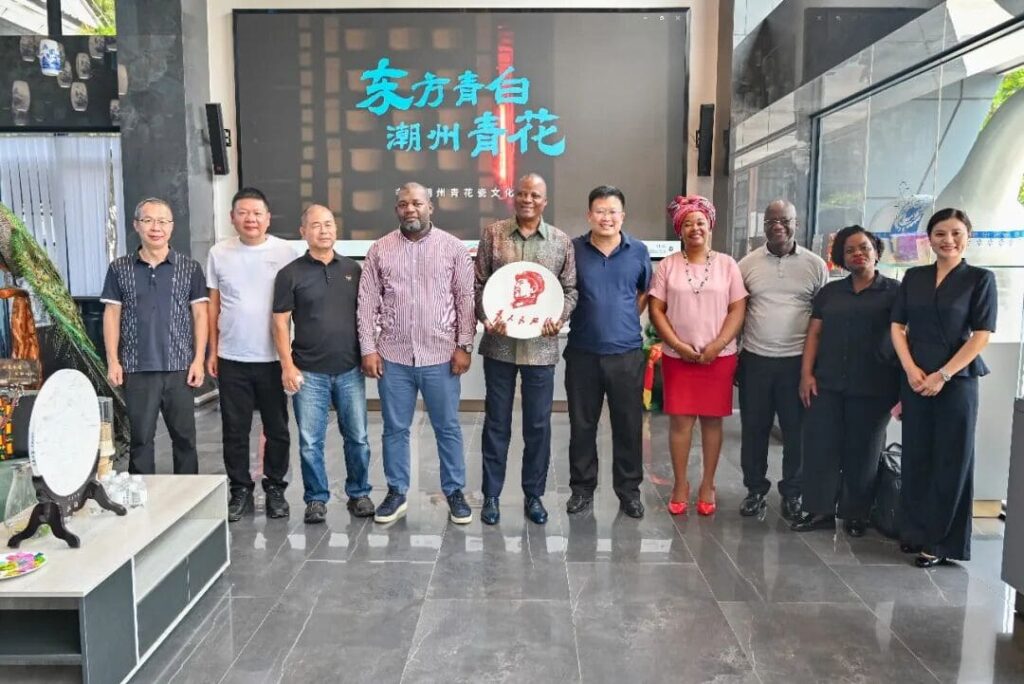
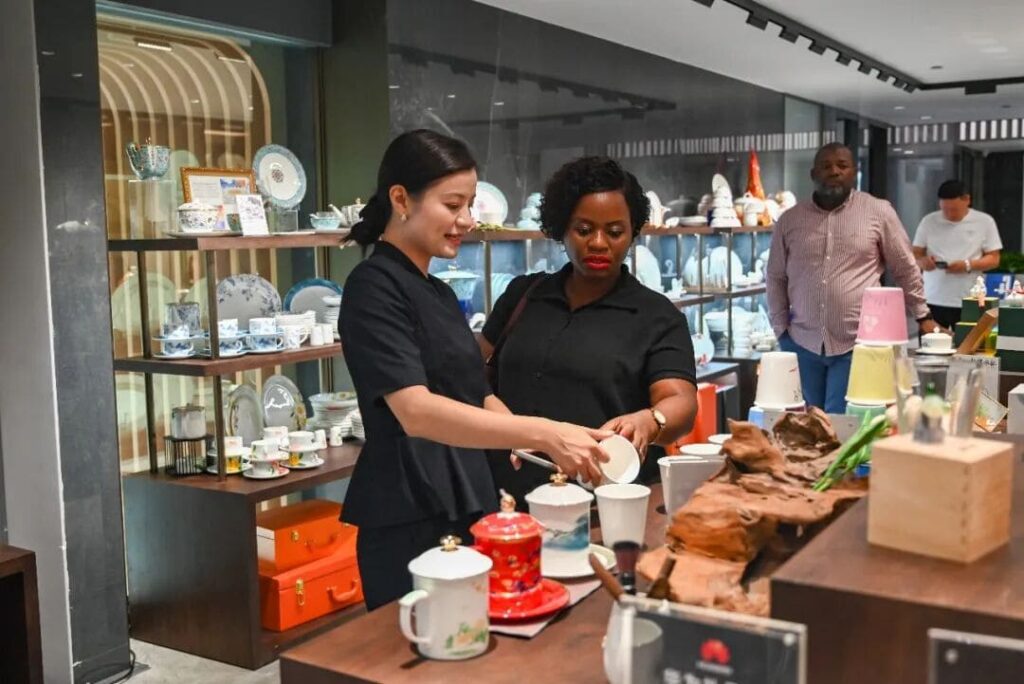
Recently, PITO welcomed a government delegation from Mozambique to its Greater Bay Area Blue-and-White Porcelain Cultural Center, where guests experienced the rich heritage of Chaozhou blue-and-white porcelain and explored the enduring value of Chinese ceramic culture in today’s global landscape.
Discovering a Thousand Years of Ceramic Heritage
During the visit, the delegation was introduced to the history and artistic legacy of Chaozhou blue-and-white porcelain, an important part of China’s intangible cultural heritage. Through curated exhibitions and guided presentations, guests gained insight into the evolution of traditional porcelain craftsmanship, ancient firing techniques, and the cultural significance that blue-and-white porcelain has carried across generations.
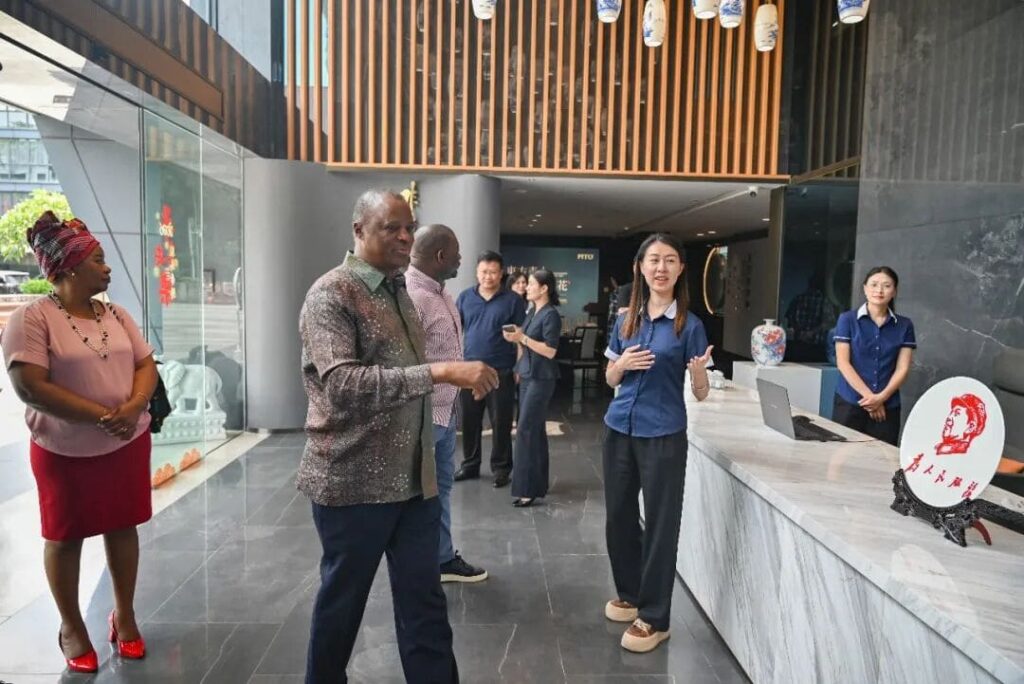
The intricate brushwork, elegant patterns, and distinctive artistic language of Chaozhou porcelain offered visitors a deeper appreciation of the craftsmanship that has shaped one of China’s most celebrated ceramic traditions.
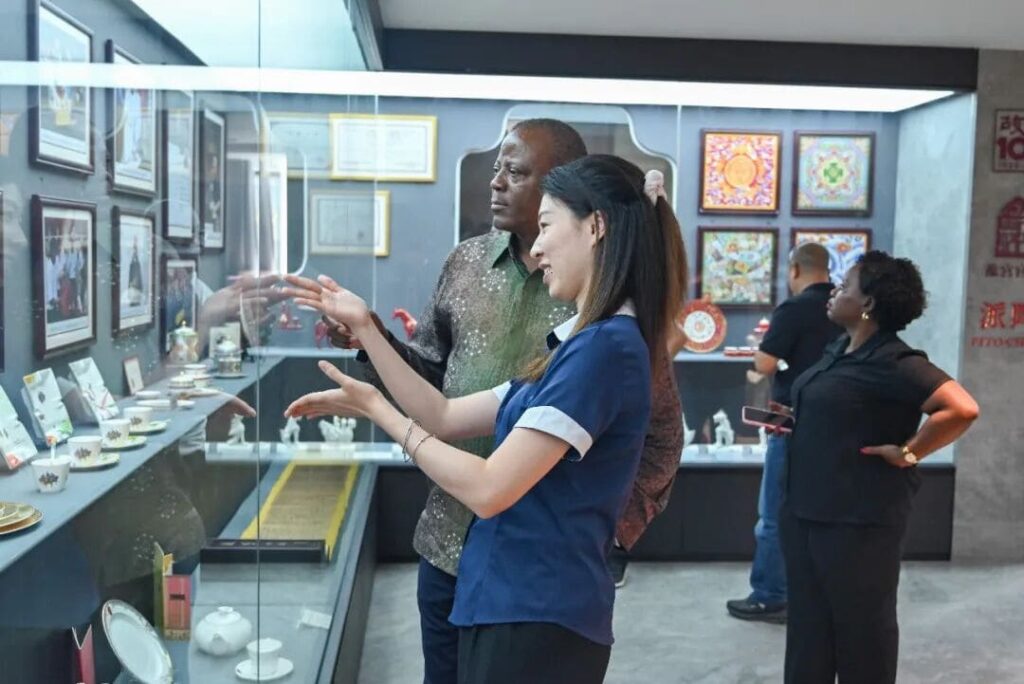
Where Tradition Meets Contemporary Design
As a leading advocate for the preservation and promotion of Chaozhou ceramic culture, PITO continues to explore new ways of bringing traditional artistry into modern living.
Throughout the visit, the delegation observed how classic blue-and-white aesthetics are being reinterpreted through contemporary porcelain tableware collections. By combining heritage craftsmanship with modern design and manufacturing capabilities, PITO demonstrates how cultural traditions can remain relevant and meaningful in today’s hospitality, dining, and lifestyle environments.

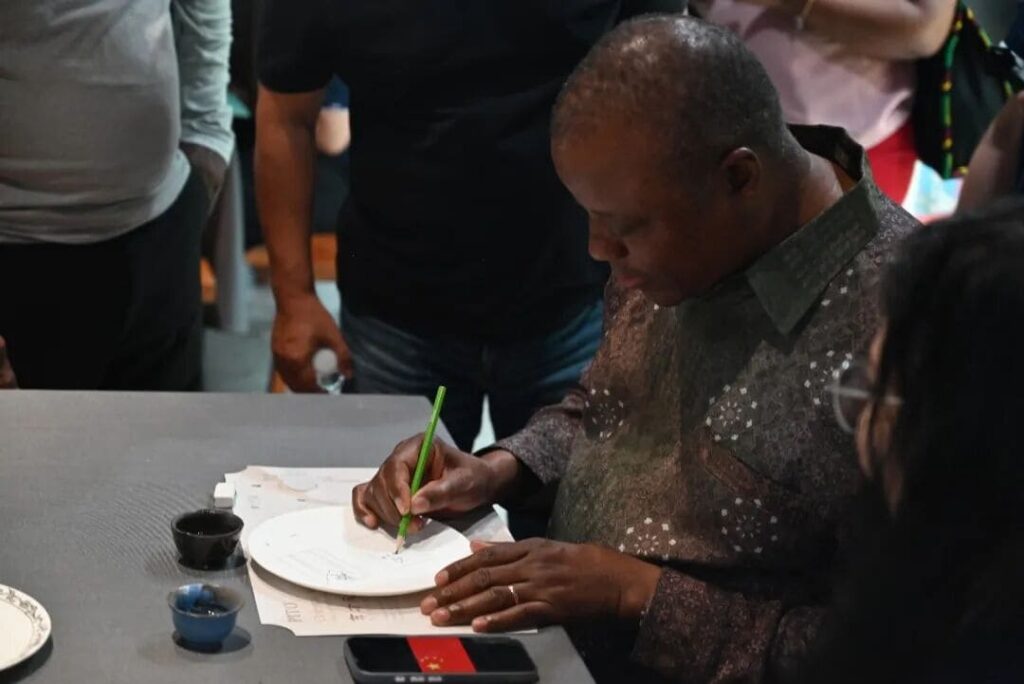

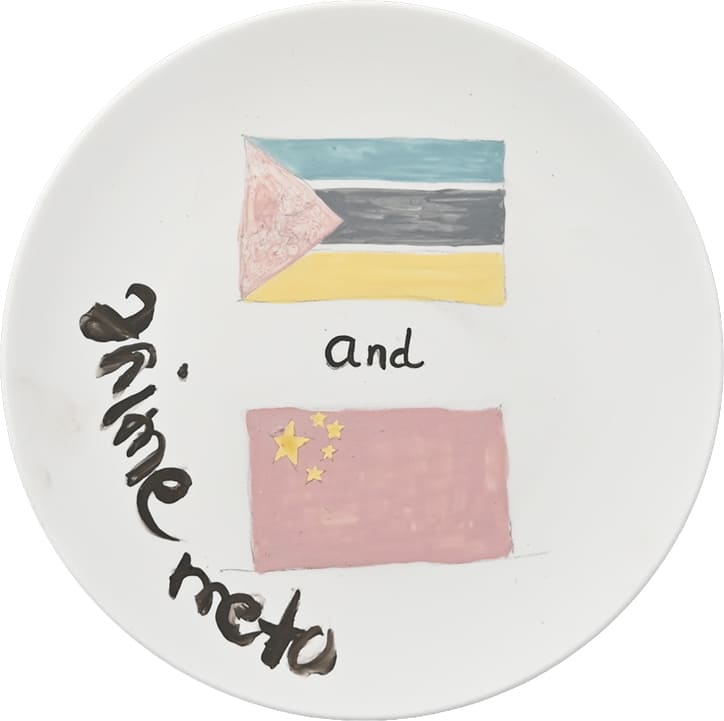
This integration of cultural heritage and product innovation reflects PITO’s long-term commitment to preserving traditional craftsmanship while creating products that meet international standards of quality and design.
Strengthening International Cultural Dialogue
Beyond the appreciation of porcelain, the visit provided an opportunity for meaningful dialogue around cultural preservation, creative innovation, and the global sharing of heritage traditions.
Representatives exchanged perspectives on the role of craftsmanship in cultural identity, the importance of safeguarding intangible cultural heritage, and the ways traditional art forms can contribute to mutual understanding between nations. The discussions highlighted how culture can serve as a universal language, creating connections that transcend geography and background.
Through the shared appreciation of blue-and-white porcelain, new bridges of understanding were formed, reinforcing the value of cultural exchange in an increasingly interconnected world.
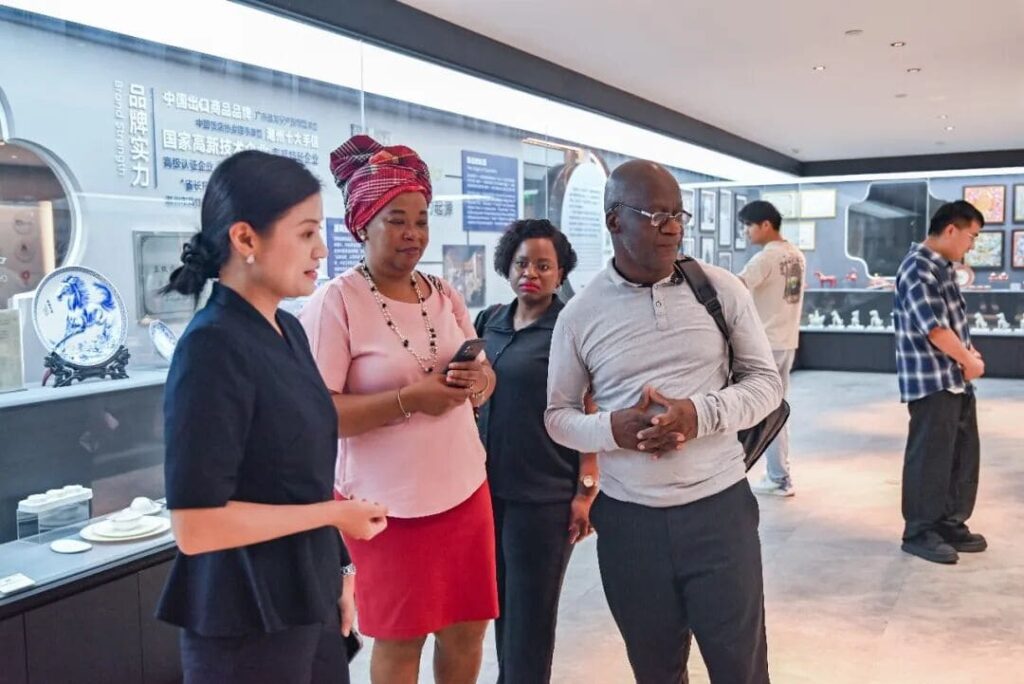
PITO’s Commitment to Cultural Heritage and Global Exchange
The visit reflects growing international interest in both Chaozhou’s ceramic heritage and PITO’s ongoing efforts to preserve and promote this cultural legacy. More importantly, it demonstrates the continuing relevance of traditional craftsmanship as a platform for dialogue, learning, and collaboration across cultures.
Looking ahead, PITO will continue to champion the preservation and innovation of Chaozhou blue-and-white porcelain, using ceramic artistry as a bridge between heritage and modernity, East and West, tradition and innovation.
By sharing the beauty of Chinese porcelain with global audiences, PITO remains committed to fostering cultural understanding, celebrating craftsmanship, and bringing the timeless elegance of Chaozhou ceramic heritage to the world stage.
New Era
New Pattern
New Opportunities
In the future, let’s move forward hand in hand!