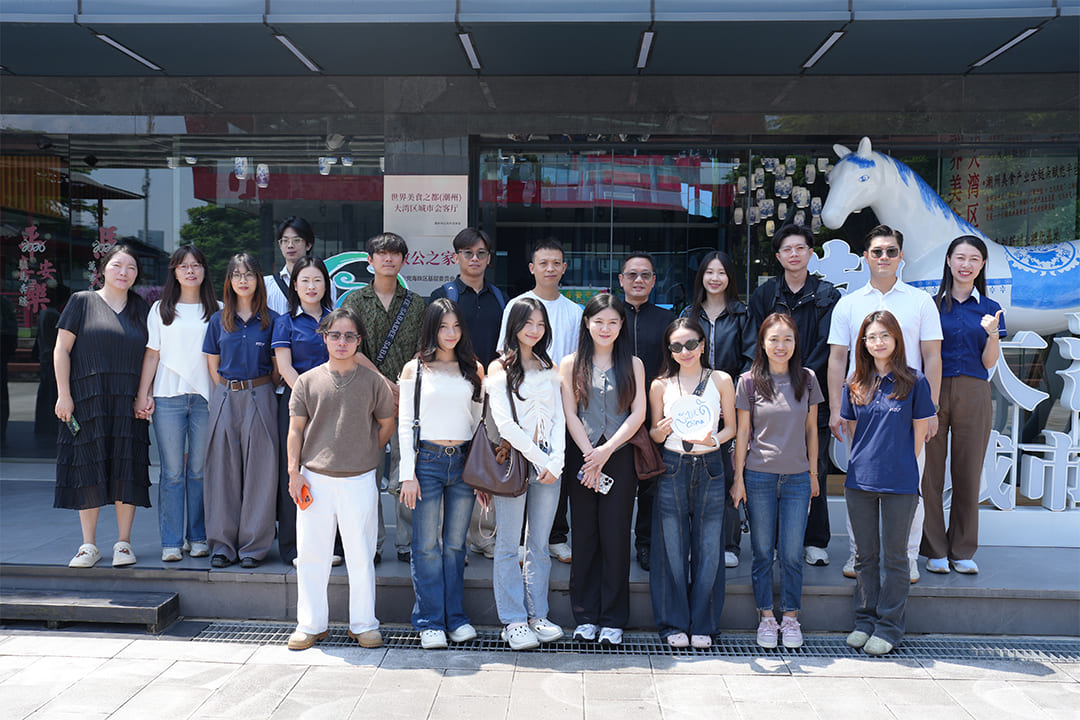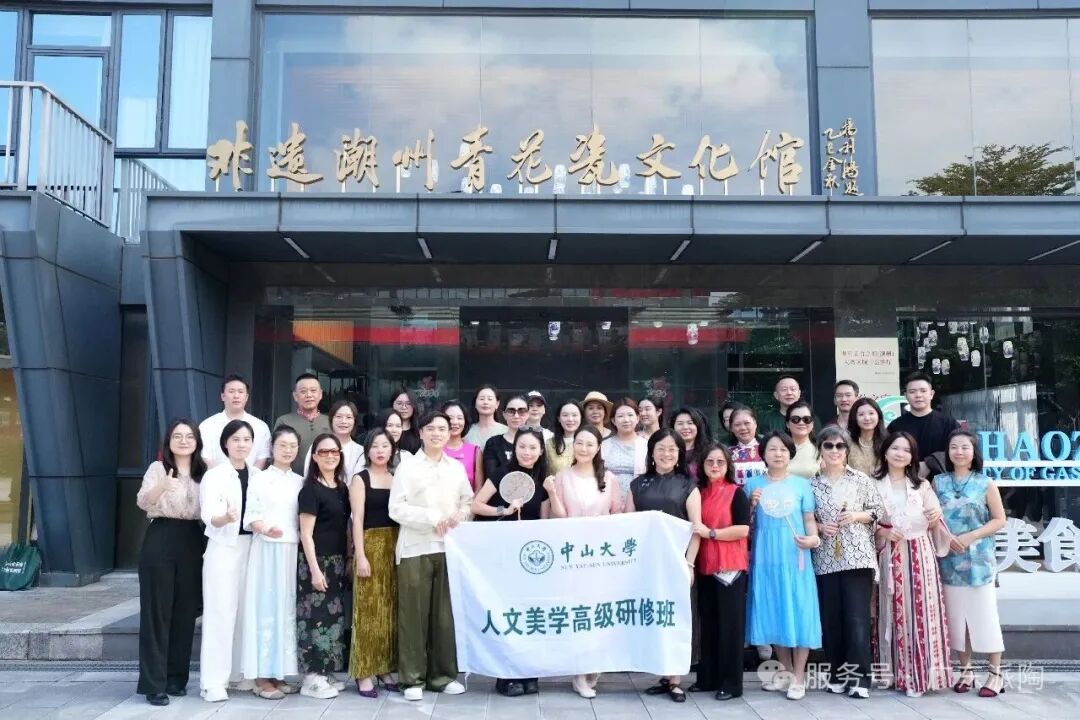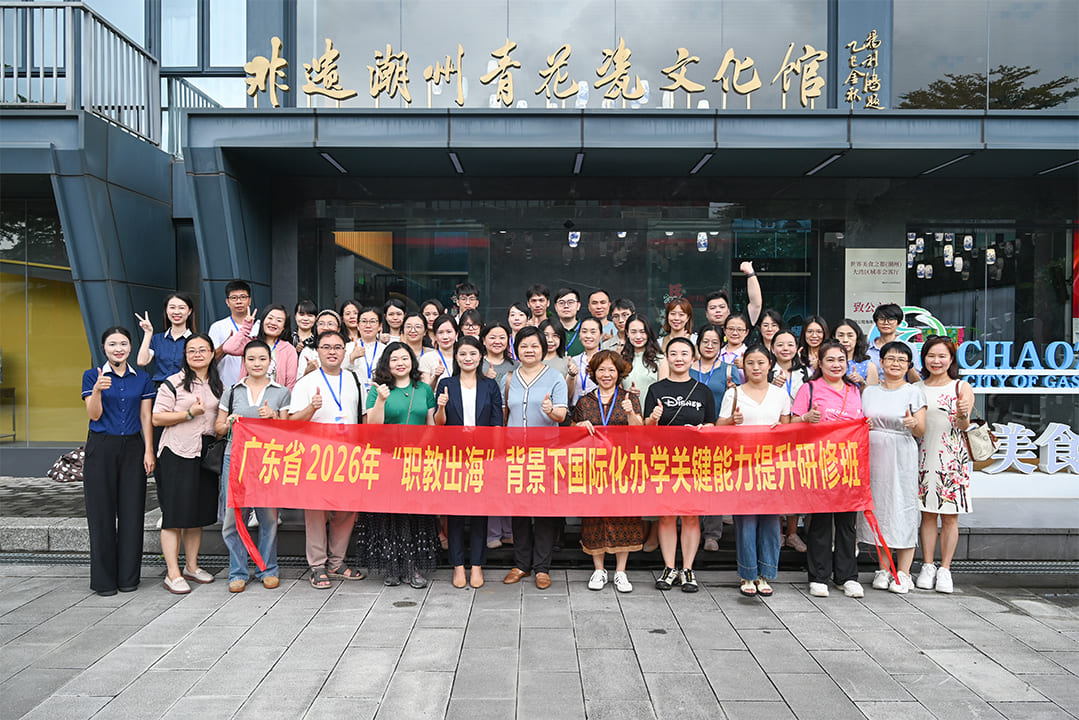
From September 7 to 11, the “Laos Meets China” international communication program brought a delegation from Laos to China for a cultural exchange. Centered on youth engagement and the international sharing of Chinese civilization, the program offered Lao visitors an opportunity to experience China through its cities, traditional culture, and contemporary life—and to discover how cultural heritage continues to evolve today.
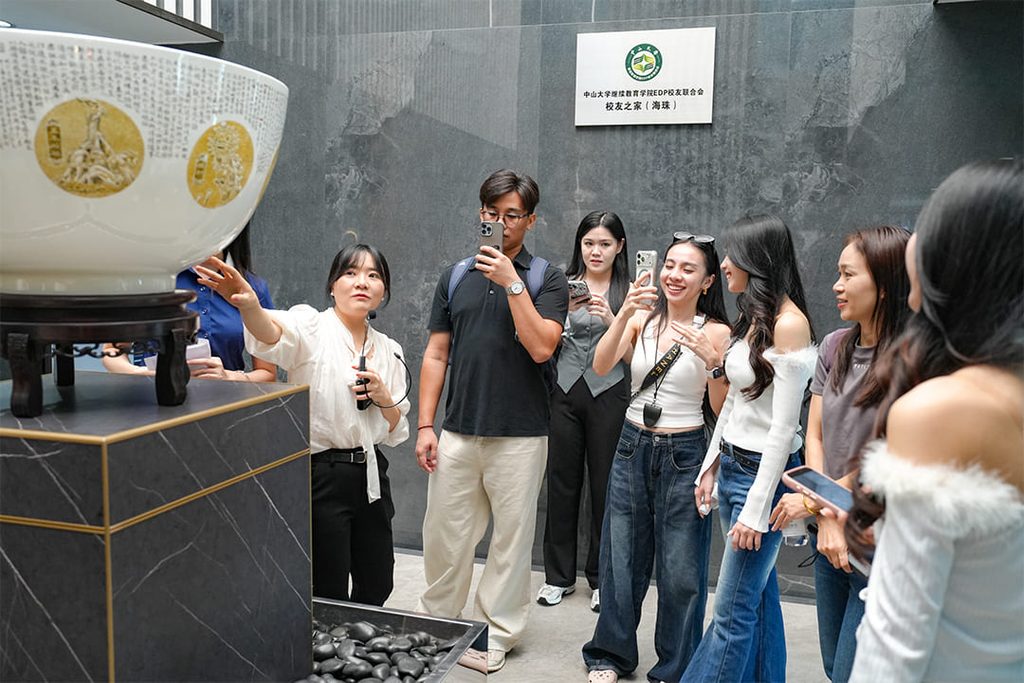
In Guangzhou, the delegation visited Gongmei Port in Haizhu District, a creative destination where design, culture, and innovation come together. It was also one of their stops for discovering China’s ceramic culture.
For PITO, the visit was more than a showroom tour. It was an exchange through porcelain—an opportunity to explore how an object rooted in Chaozhou can carry a sense of place and heritage, enter contemporary life, and connect with people from different parts of the world.
Discovering a Different Expression of Chinese Ceramics Through Chaozhou Blue-and-White Porcelain
Inside the PITO showroom, the blue-and-white porcelain pieces immediately caught the visitors’ attention.
Blue and white are among the most recognizable visual languages of Chinese ceramics. In Chaozhou, this tradition carries a distinctive local character shaped by the region’s long history of ceramic craftsmanship.
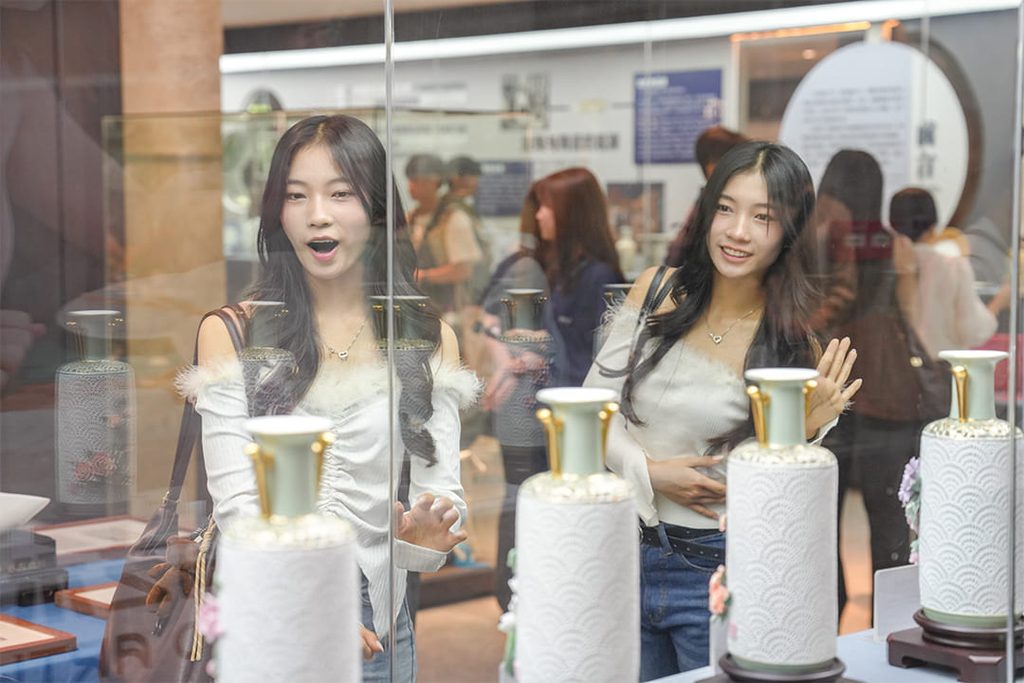
Chaozhou has a deep-rooted ceramic tradition, with blue-and-white porcelain, painted ceramics, and other traditional techniques passed down through generations. More than methods of making ceramics, these traditions reflect the cultural heritage and distinctive aesthetic character of Chaozhou.
During the visit, members of the Lao delegation viewed the blue-and-white pieces up close and learned about the history of Chaozhou ceramics and the craftsmanship behind blue-and-white porcelain.
For many international visitors experiencing Chaozhou blue-and-white porcelain for the first time, what they encountered was more than a traditional ceramic piece. It was a living expression of Chinese culture that continues to find relevance in the present.
Rooted in Chaozhou, PITO continues to build on this ceramic heritage while bringing traditional elements such as blue-and-white porcelain into contemporary design, product development, and modern dining environments.
In this way, traditional ceramic artistry moves beyond history and into hotels, restaurants, hospitality projects, and dining tables around the world.
From Cultural Heritage to the International Stage
For PITO, bringing traditional Chinese ceramics to a wider international audience has never been a short-term effort.
Over the years, PITO has participated in major international cultural and global events, from the China Pavilion at Expo 2017 Astana, to Expo 2020 Dubai, and Expo 2025 Osaka. Across three World Expos, PITO has used ceramics as a medium to share Chinese ceramic culture and give international audiences a closer look at the heritage of Chaozhou blue-and-white porcelain.
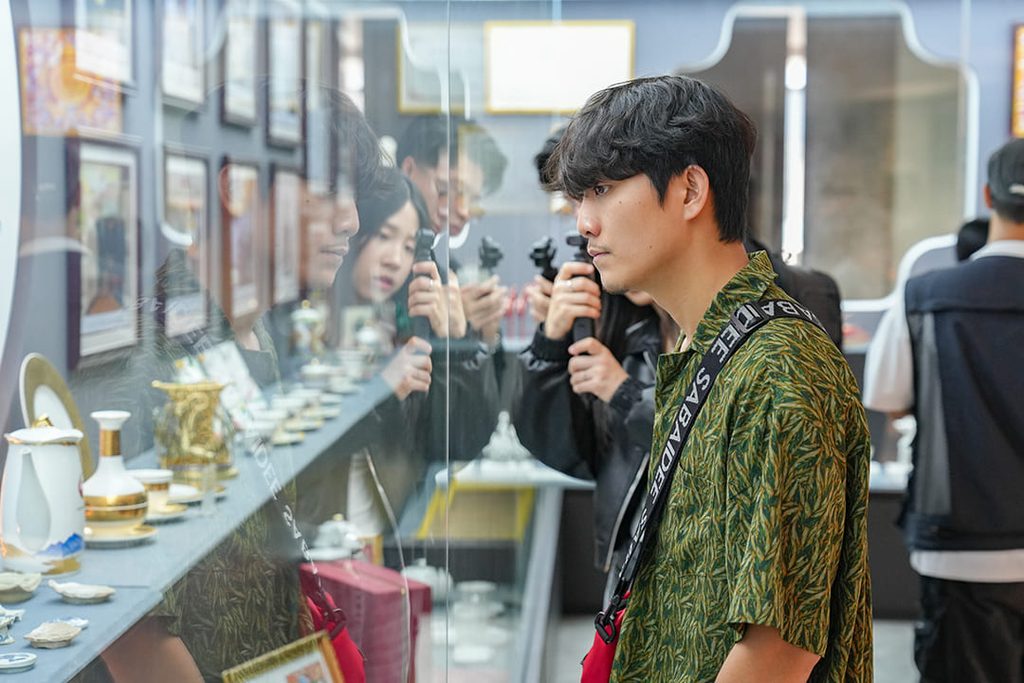
From the China Pavilion to international exhibition platforms, and from traditional blue-and-white porcelain to the contemporary table, PITO is not simply presenting tradition. It is exploring the connection between cultural heritage and modern life.
This is also what gives intangible cultural heritage the possibility to continue evolving.
Heritage remains relevant when it can be seen, understood, experienced, and expressed in ways that speak to new generations and new audiences.
When Curiosity Becomes a Natural Form of Cultural Exchange
At PITO’s intangible cultural heritage workshop, the delegation showed strong interest in the ceramic-making process.
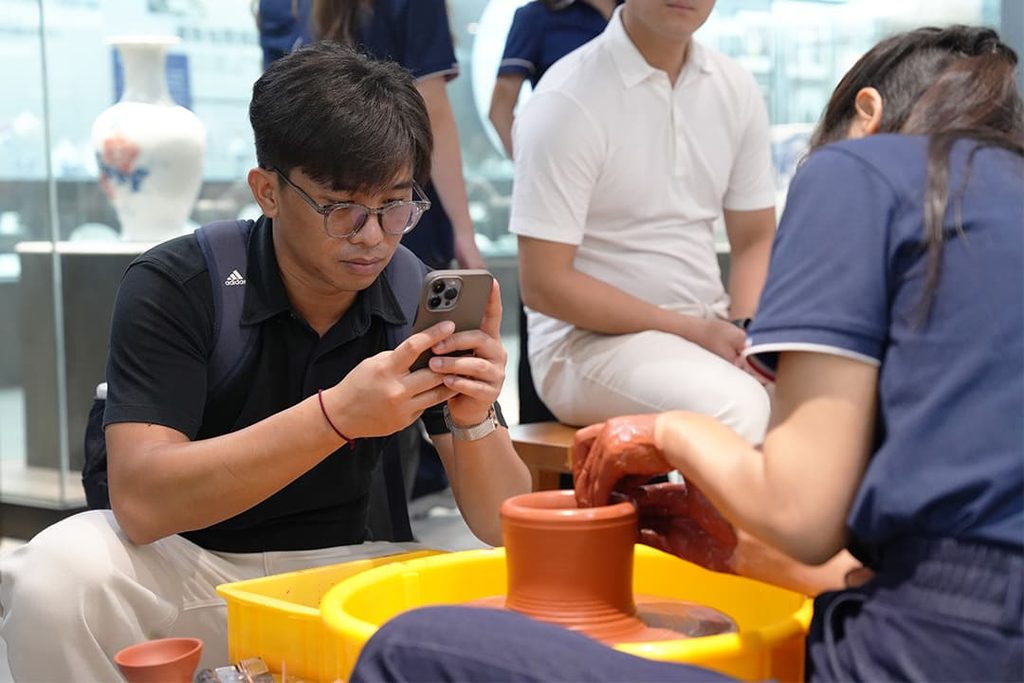
The finished pieces in the showroom offered a glimpse of the craft. But it was the process behind them that sparked even greater curiosity.
How does clay become a finished form?
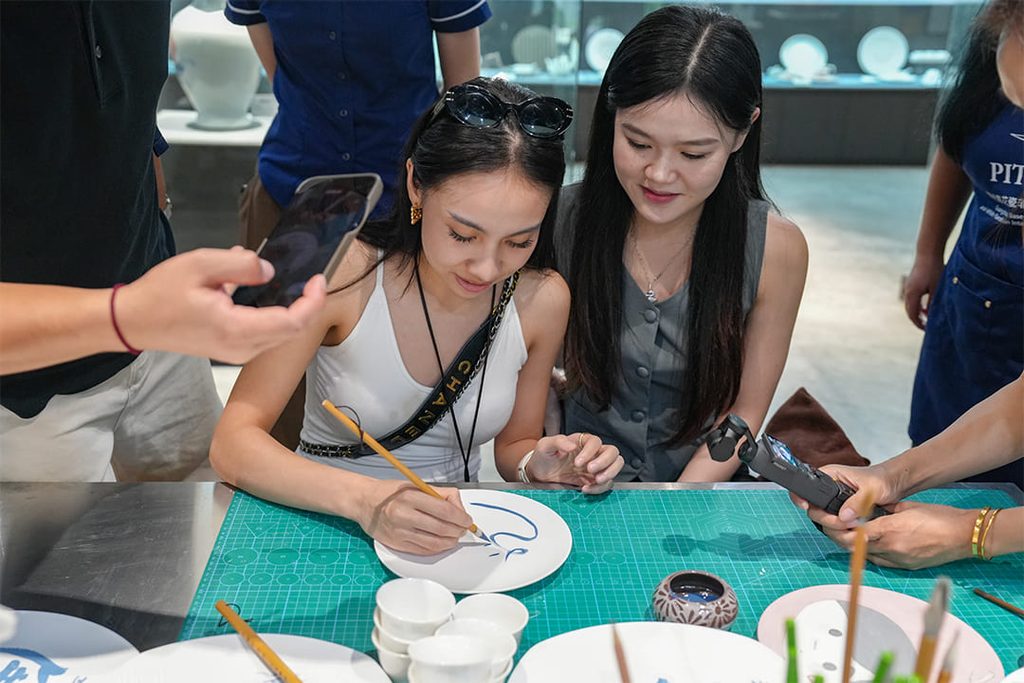
How are blue-and-white patterns painted by hand?
How many stages does a seemingly simple ceramic piece go through before it is complete?
From preparing the clay and shaping the body to painting, glazing, and high-temperature firing, every stage reflects accumulated knowledge and craftsmanship.
When these processes can be seen and experienced rather than simply explained, traditional culture becomes something tangible and relatable.
Perhaps this is one of the most natural forms of cultural exchange: a shared curiosity about how something is made can become the beginning of a deeper understanding.
“Hello, China”: A Warm Moment to Remember
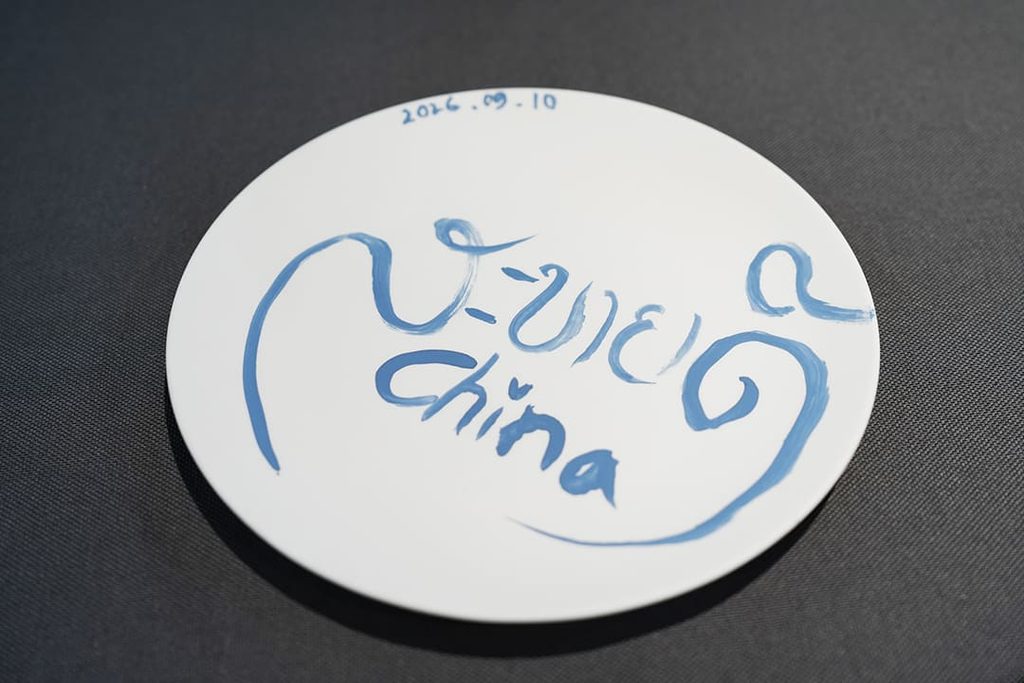
Before the visit came to an end, one of the Lao guests picked up a pen and carefully wrote a sentence.
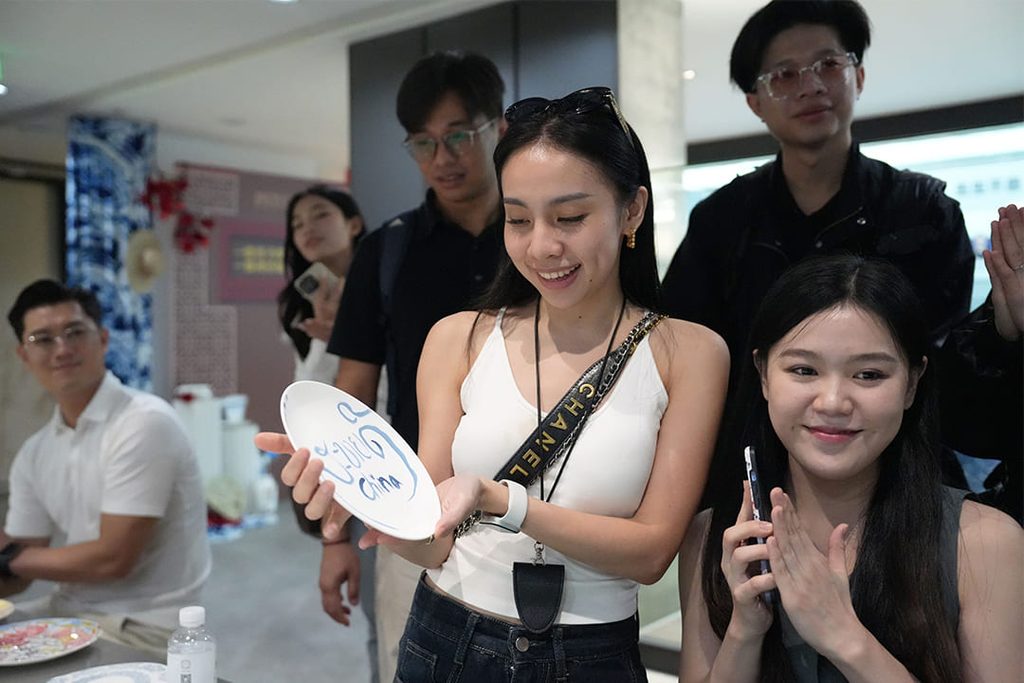
The translator explained that the words meant:
“Hello, China.”
A simple greeting gave the cultural exchange a warm and memorable ending.
From Laos to China, from urban culture to ceramic craftsmanship, and from the blue-and-white pieces in the showroom to the making of porcelain in the workshop, the delegation experienced a more personal and tangible side of China.
Bringing Chinese Ceramic Art to the World in a Contemporary Way
For more than four decades, PITO has remained rooted in Chaozhou’s ceramic industry, continuously exploring design, research and development, and modern manufacturing while bringing its products to hotels, restaurants, and premium hospitality environments around the world.
From the kiln fires of Chaozhou to international dining tables, and from traditional blue-and-white porcelain to contemporary design, PITO continues to pursue a simple and long-term vision:
To bring the cultural value of Chinese ceramics to the world through contemporary design and craftsmanship.
Today, PITO serves customers and partners across international markets, including hotels, restaurant groups, HoReCa distributors, hospitality project suppliers, importers, and other professional buyers seeking premium tableware solutions.
For PITO, every cross-border exchange creates another opportunity for Chaozhou’s ceramic heritage to meet new audiences, inspire new stories, and find new possibilities.
Because sometimes, cultural connection begins with something as simple as a piece of porcelain.
New Era
New Pattern
New Opportunities
In the future, let’s move forward hand in hand!