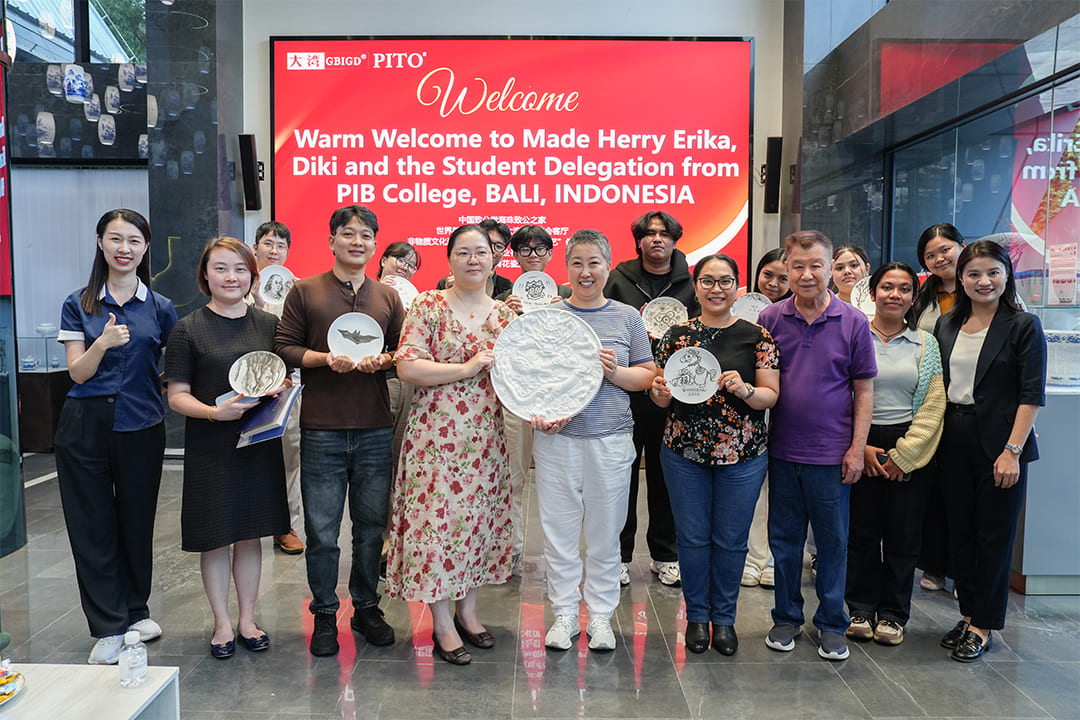
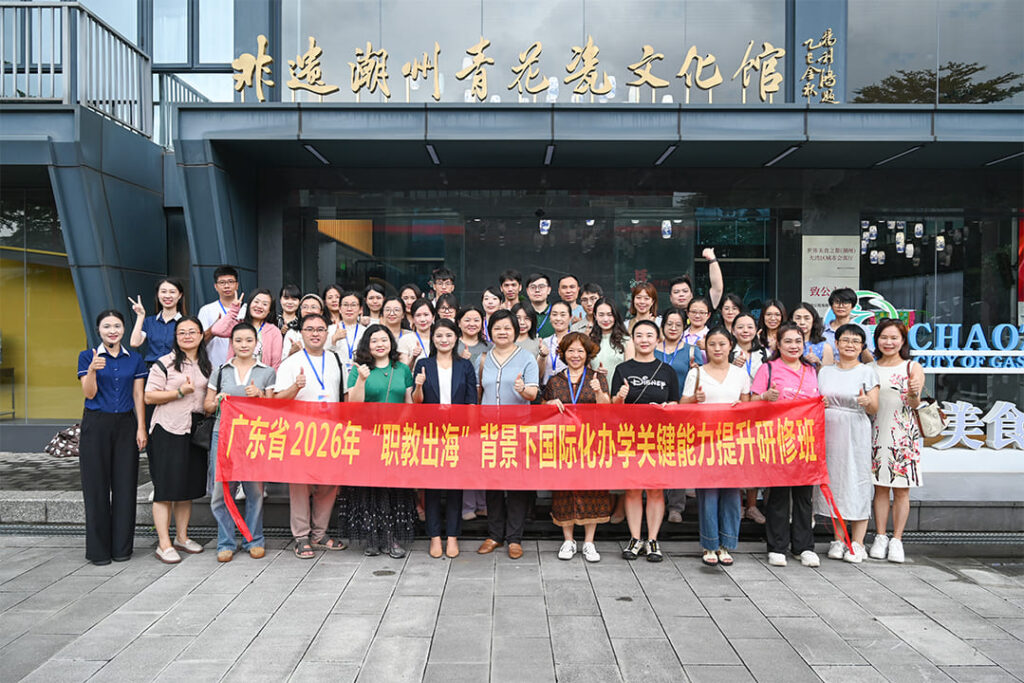
Im August 26, PITO begrüßte Teilnehmer des Advanced Training Program on Key Capabilities for International Education im Rahmen der Initiative „Vocational Education Going Global“.. Faculty members and professionals from higher vocational institutions across Guangdong visited PITO through a program combining enterprise visits, thematic discussions, und kulturelle Erfahrungen, gaining a closer understanding of how businesses engage with international markets and what this means for the development of globally minded talent.
The program brought together participants from institutions including Guangdong Industry Polytechnic University, Shunde Polytechnic University, Guangdong AIB Polytechnic, Yangjiang Polytechnic, Shantou Polytechnic, and Heyuan Polytechnic. Their professional backgrounds covered a range of fields, including English, tourism services, finance and business, educational psychology, and transportation.
Bringing International Education into the Real World of Industry
One of the key values of the program was to extend professional development beyond the classroom and into a real business environment.
For vocational education, enterprises are more than potential destinations for future employment. They are also important windows into changing industries, Internationale Märkte, and the practical realities of business internationalization.
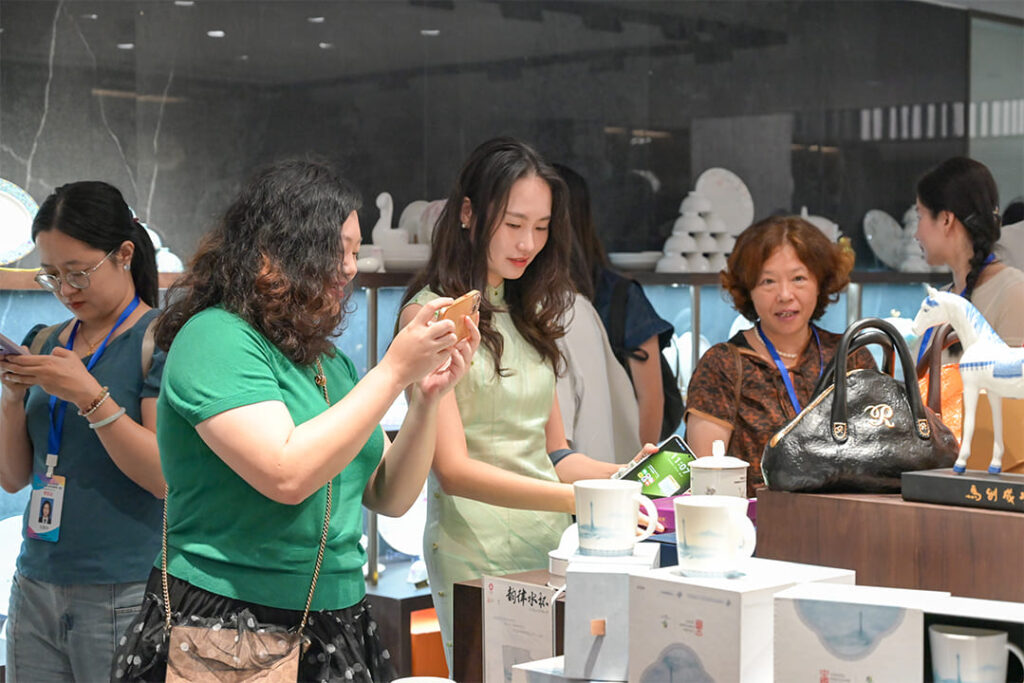
By visiting a company with experience in international markets, participants were able to gain a more direct understanding of the capabilities increasingly required as Chinese businesses expand globally—including professional expertise, language skills, cross-cultural communication, international perspectives, and the ability to respond to different market environments.
This connection between education and industry is particularly relevant to the development of Vocational Education Going Global. As vocational institutions become more internationally oriented, exposure to real business environments can help bring international market needs and industry practices closer to talent development.
Bringing Real Industry Experience into International Talent Development
During the program, faculty members and professionals from vocational institutions explored PITO’s production, Marke, and cultural practices, gaining insight into the development of a Chinese ceramic enterprise from its traditional industry roots toward a modern international brand.
Such direct interaction provides vocational education with a more practical perspective on internationalization.
International talent development cannot rely solely on theoretical learning in the classroom. It also needs to be connected with real industries, real markets, and real business experiences.
As more Chinese companies expand into international markets, the experience accumulated by enterprises can serve as valuable reference material for international education. Gleichzeitig, vocational institutions can help develop professionals with the knowledge and capabilities needed to support businesses as they enter and grow in global markets.
In this sense, industry-education integration creates a two-way connection: industry provides real-world experience for education, while education helps prepare the talent needed for industry’s future international development.
From Taking Products Global to Building Brands for Global Markets
As part of the program, PITO shared its experience around the theme of “Enterprises Going Global × Products Going Global,” offering participants a closer look at the capabilities involved in international business development.
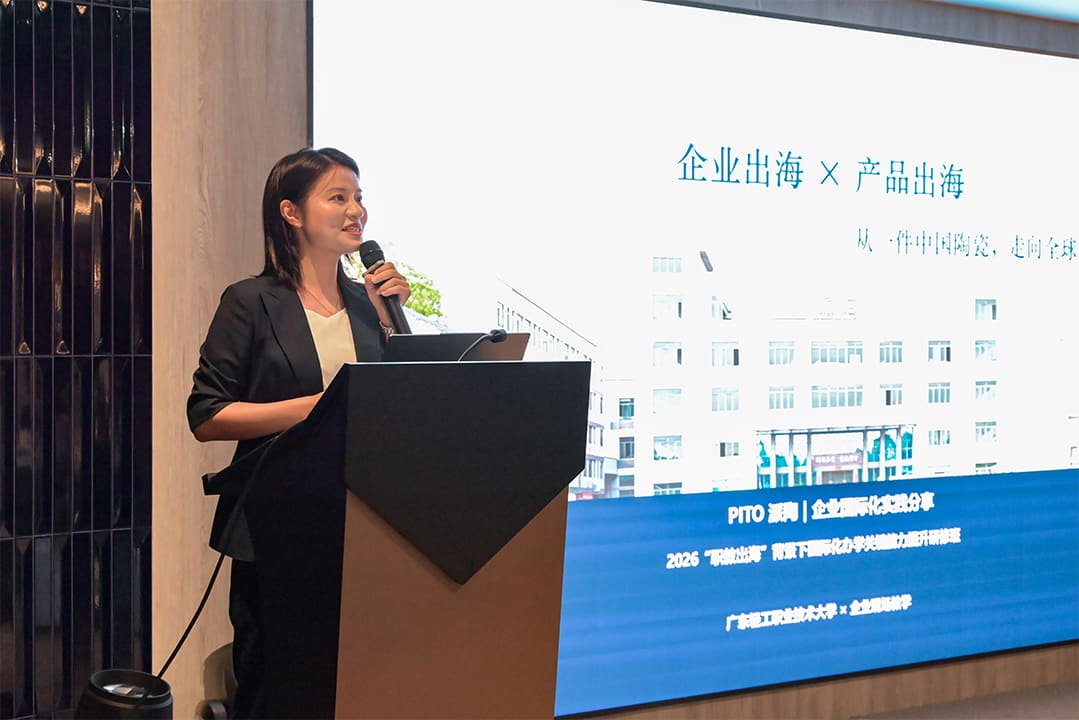
From an enterprise perspective, bringing a product into an overseas market is only the beginning of internationalization. Building sustainable competitiveness requires coordination across five key areas: Produkt, market, channel, Marke, and localization.
This also changes the expectations for international talent. Professional knowledge remains essential, but it increasingly needs to be combined with an understanding of international markets, cultural differences, customer expectations, and global business practices.
For vocational education, real enterprise cases provide an opportunity to make these changes more tangible. Students and educators can better understand how globalization is reshaping industries, while businesses can share practical knowledge of international markets, Produktentwicklung, and overseas operations with educational institutions.
This is where industry-education integration can play a broader role—not simply as a form of cooperation between companies and schools, but as a practical pathway connecting industry internationalization with international talent development.
PITO’s participation in the “Vocational Education Going Global” training program reflects this approach: using a real enterprise environment to help participants understand how Chinese businesses develop products, brands, and capabilities for global markets.
Porcelain as a Gateway to Chinese Culture
Internationalization is not only about bringing products into overseas markets. It can also create new ways for Chinese culture to be understood and experienced around the world.
Porcelain has long been an important medium of Chinese cultural expression.
PITO is based in Chaozhou, one of China’s important ceramic-producing regions with a rich heritage of ceramic craftsmanship and Blue-and-White Porcelain. In 2026, PITO was recognized as a municipal-level intangible cultural heritage protection organization for the Chaozhou Blue-and-White Porcelain Firing Technique.
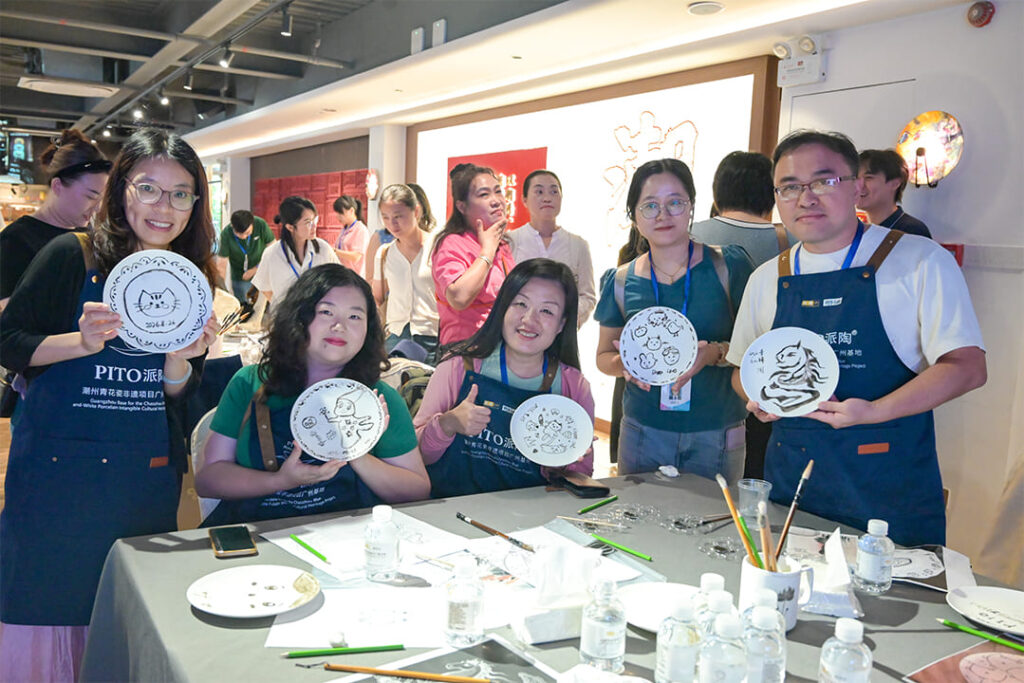
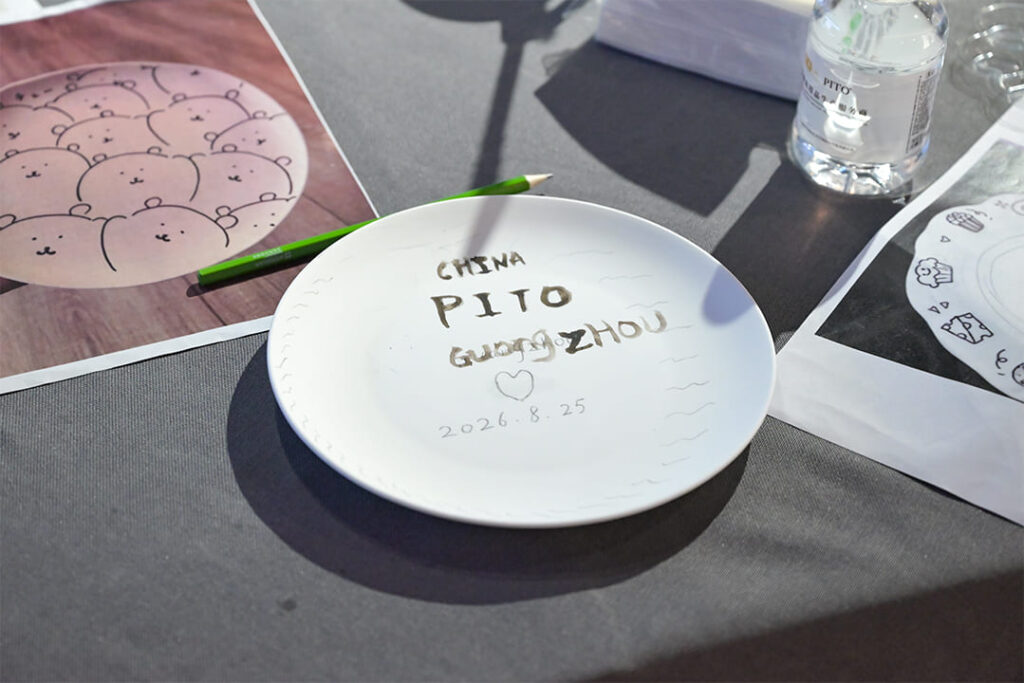
Während des Besuchs, participants explored PITO’s Intangible Cultural Heritage Blue-and-White Porcelain Museum through exhibitions, presentations, and a hands-on porcelain painting experience, gaining a closer understanding of the history and craftsmanship behind Chaozhou Blue-and-White Porcelain.
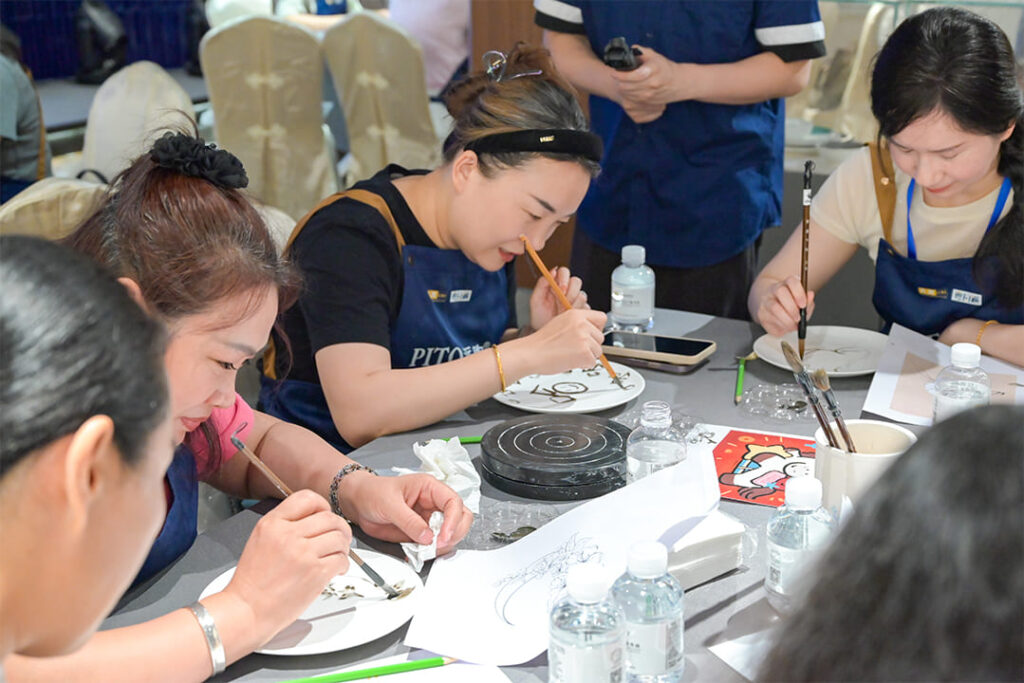
Rather than simply observing traditional craftsmanship, participants were invited to paint Blue-and-White patterns onto porcelain panels themselves. Experiencing the relationship between brushwork, pigments, and the porcelain surface offered a more direct and engaging connection with the craft.
The experience demonstrated how intangible cultural heritage can move beyond static display and become something that people can participate in, Erfahrung, and remember.
Für PITO, preserving intangible cultural heritage is not simply about keeping traditional techniques unchanged. It is also about exploring how traditional ceramic culture can find new forms of expression in contemporary life and international cultural exchange.
Connecting Industry, Culture and the World Through Porcelain
Für PITO, internationalization has been closely connected with its own development journey.
From traditional ceramic manufacturing to serving the high-end hospitality and foodservice market, and from product development to international brand building, PITO continues to explore how Chinese ceramics can reach global markets through contemporary design, consistent product capabilities, and an increasingly international brand perspective.
Gleichzeitig, the cultural heritage of Chaozhou Blue-and-White Porcelain provides an important foundation for connecting Chinese culture with international audiences.
The “Vocational Education Going Global” training program offered another perspective on this connection. Enterprise internationalization, international vocational education, and cultural exchange are not separate directions.
They can come together through real industry environments, through products that travel across borders, through traditional craftsmanship, and through a new generation of professionals with international perspectives.
Blick nach vorn, PITO will continue to participate in industry-education integration and international exchange initiatives, using porcelain as a medium to connect industry and education, support new expressions of traditional culture, and explore new possibilities for Chinese ceramic brands in global markets.
From taking products to the world to building brands for the world—from industry internationalization to international talent development.
This is one of the directions PITO continues to explore.
Neue Ära
Neues Muster
Neue Möglichkeiten
In der Zukunft, lassen“s bewegen!