En el panorama hotelero actual, La vajilla juega un papel mucho más estratégico que nunca.. Más allá de la funcionalidad, moldea directamente la percepción de la marca, experiencia del huésped, y eficiencia operativa.
Desde la selección de materiales y paletas de colores hasta los detalles de diseño y la sostenibilidad., Cada elemento ahora juega un papel a la hora de influir en la percepción del cliente y el posicionamiento de la marca..
Esta guía explora el últimas tendencias en vajillas 2026, con ideas prácticas para propietarios de restaurantes, compradores de hoteles, y profesionales de la hotelería, ayudándole a convertir las tendencias en decisiones de abastecimiento más inteligentes y valor comercial real..
Conclusiones clave
- La vajilla es ahora una herramienta estratégica para el posicionamiento de marca y la experiencia del huésped.
- El color juega un papel clave en la creación de atmósfera y el fortalecimiento de la identidad de marca..
- Porcelana, porcelana blanca y translúcida, y el gres tienen distintos fines comerciales
- La durabilidad es la nueva sostenibilidad, reducir los costos de reemplazo y respaldar la eficiencia operativa a largo plazo.
- Combinando materiales, colores, y texturas ofrecen una narración visual más sólida y una mayor participación de los invitados..
- Elegir el proveedor adecuado es fundamental para garantizar la coherencia del producto., escalabilidad, y estabilidad de la oferta a largo plazo.
¿Cuáles son las principales tendencias en vajillas? 2026
De conjuntos uniformes a mixtos & Estilo en capas
Tradicional, Los juegos de vajilla totalmente combinados están siendo sustituidos por combinaciones más flexibles.. Mezclando diferentes materiales, colores, y texturas se ha convertido en el nuevo estándar.
Este cambio crea una mayor profundidad visual al tiempo que permite a los restaurantes adaptar los estilos de presentación en diferentes menús y escenarios gastronómicos..
cambio de clave: De la combinación fija a la composición flexible.
Del atractivo visual a la experiencia del usuario
En el últimas tendencias en vajillas de 2026, El enfoque ha pasado del puro atractivo visual al desempeño de la vajilla en escenarios de comidas reales, tanto funcional como tácticamente..
Acabados mate, texturas artesanales, diseños ligeros, y las formas ergonómicas son cada vez más importantes en los entornos gastronómicos de primera calidad..
cambio de clave: la tactilidad y la usabilidad toman protagonismo.
La vajilla como herramienta de expresión de marca
La vajilla está cada vez más integrada en el sistema general de marca..
Desde paletas de colores y acabados vidriados hasta formas y formas., Se espera que cada detalle se alinee con el diseño interior del restaurante y el posicionamiento de la marca.. Como resultado, La demanda de vajillas personalizadas y a medida continúa creciendo, especialmente entre los grupos hoteleros y las cadenas de restaurantes..
Sistematización y Eficiencia Operacional
A medida que la industria hotelera pone mayor énfasis en el control de costos y la eficiencia, El diseño de vajillas se basa cada vez más en las funciones..
Apilabilidad, combinaciones modulares, y el uso multifuncional son ahora consideraciones clave. Estas características no sólo influyen en el diseño del producto sino que también tienen un impacto directo en las operaciones diarias en restaurantes y hoteles..
En base a estos desarrollos, vajilla en 2026 ya no es un producto independiente. Se ha convertido en un elemento estratégico que conecta el diseño., estética, operaciones, e identidad de marca.
Tendencias de color en 2026 Vajilla
Bailarina de la nube: La nueva definición de blanco elevado
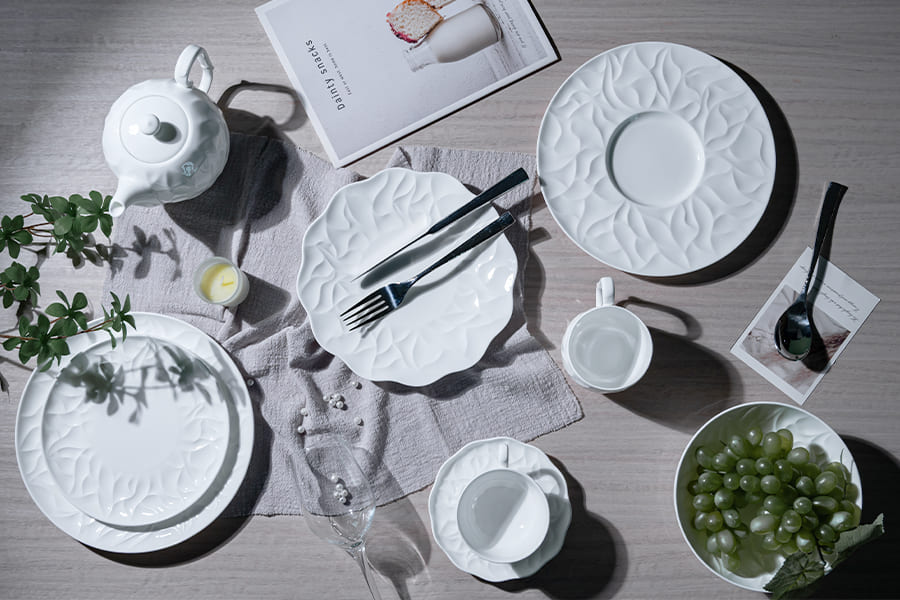
A diferencia de la porcelana blanca tradicional, 2026 favorece un más suave, tono más cálido conocido como Bailarina de la nube.
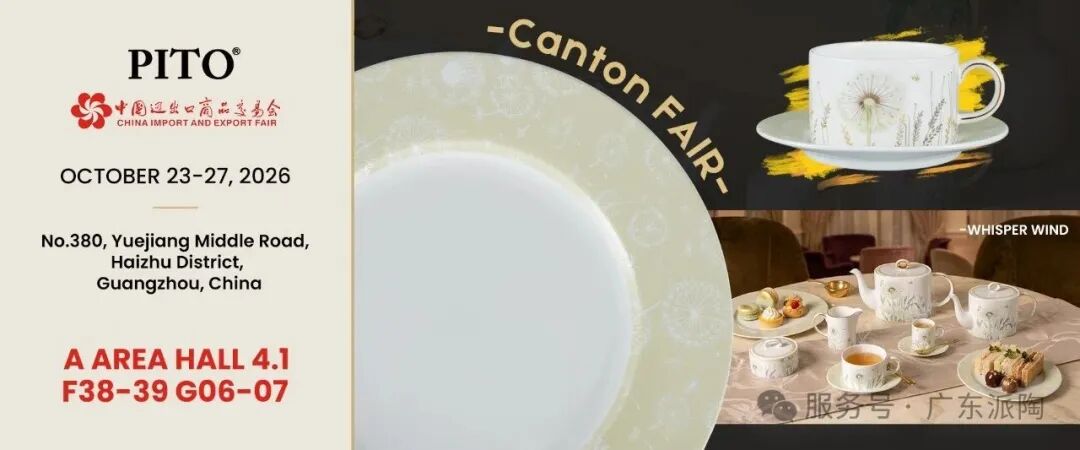
Este tono presenta un suave, calidez cremosa con sutil translucidez, sentado entre marfil y porcelana clásica blanca.
En adquisiciones globales, Este tipo de blanco cálido se considera un “color base seguro” debido a su versatilidad y adaptabilidad.. Combina a la perfección con diversas cocinas y estilos de platos, al tiempo que eleva el valor visual general de la mesa.. Para hoteles de alta gama que adoptan qpuaj yolujo, se ha convertido en una opción casi estándar.
Verde azulado transformador: El poder tranquilo del océano
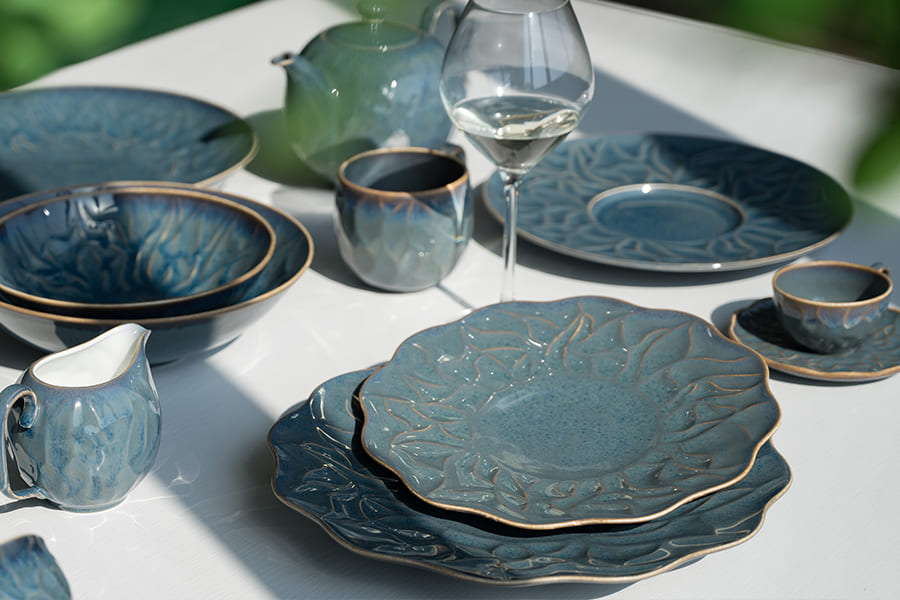
Influenciado por la conciencia climática global y la sostenibilidad de los océanos., Verde azulado transformador se ha convertido en uno de los colores de mayor impacto comercial de 2026.
Combinando azul profundo con verde orgánico, este tono crea un fuerte efecto visual. A menudo se combina con esmaltes reactivos., texturas artesanales, o patrones de ondas sutiles para agregar profundidad y un toque refinado., estética contemporánea.
Comúnmente utilizado en hoteles turísticos., restaurantes de mariscos, y ambientes de cenas nocturnas para crear contraste y profundidad visual..
Tonos terrosos: El lenguaje visual de la sostenibilidad
Tonos tierra como el Beige Arena, Terracota, verde salvia, y Warm Brown se utilizan ampliamente en conceptos gastronómicos centrados en la sostenibilidad y de la granja a la mesa.. Son particularmente efectivos para restaurantes que enfatizan lo natural., saludable, y posicionamiento sostenible.
También se integran perfectamente con la madera., piedra, y otros materiales naturales, Reforzar la autenticidad y la calidez al tiempo que respalda la narración de la marca en torno a la sostenibilidad..
Anochecer futuro: Un dramático, Declaración inmersiva
Future Dusk se encuentra entre el azul profundo y el violeta oscuro, creando un efecto tonal profundo en el diseño de vajillas.
Se utiliza comúnmente en entornos gastronómicos elegantes, como asadores y restaurantes de gastronomía molecular, para realzar el contraste y resaltar los platos emplatados..
Las preferencias de color varían según la región., como se muestra a continuación:
| Región | Colores preferidos | Dirección de Diseño |
| Europa | Blanco Hueso, verde salvia | Lujo tranquilo, acabados mate |
| América del norte | Ámbar, Beige cálido | Minimalismo natural |
| Oriente Medio | Negro, Esmeralda, Oro | Lujo & contraste |
| Asia-Pacífico | azul frío, Jade, Púrpura suave | Calma, estética refinada |
Estas diferencias regionales juegan un papel importante en las estrategias globales de adquisición de vajillas..
Tendencias de materiales: Cerámica versus porcelana versus porcelana china
Porcelana blanca y translúcida: Experiencia prémium & Posicionamiento de marca
En las tendencias modernas en vajillas., Se espera que la vajilla no solo funcione funcionalmente sino que también comunique una sensación de calidad y refinamiento, y porcelana blanca y translúcida juega un papel clave para lograrlo.
Contiene ceniza de hueso 45%, La porcelana china tiene una estructura más ligera y ofrece cierto grado de translucidez., dándole una apariencia más delicada y refinada. Su característico tono marfil cálido es más suave que la porcelana estándar., haciéndolo especialmente adecuado para ambientes de comedor de alta gama..
Más allá del atractivo visual, La porcelana china mejora la experiencia táctil.. Una vajilla más ligera y refinada mejora sutilmente la forma en que los comensales perciben la experiencia gastronómica general..
Desde una perspectiva operativa, su peso más ligero mejora la eficiencia del servicio y reduce la fatiga del personal. Aunque el costo unitario es mayor, Esta inversión a menudo se justifica en entornos gastronómicos premium a través de una mejor percepción de la marca y experiencia del huésped..
Como resultado, Porcelana blanca y translúcida sigue siendo una opción preferida en restaurantes elegantes y hoteles de lujo, valorado por su apariencia refinada y rendimiento liviano.
Y SIETE, Las colecciones de porcelana china están diseñadas para equilibrar la elegancia con la durabilidad, garantizando que cumplan tanto con las expectativas estéticas como con las demandas operativas de los entornos hoteleros de alta gama..
Porcelana: El estándar de la industria
Porcelana sigue siendo una piedra angular de las tendencias en vajillas 2026 y sigue siendo el material más utilizado y fiable en la industria hotelera. Su adopción generalizada se debe a su capacidad para equilibrar la durabilidad., consistencia, y rentabilidad.
La porcelana no es porosa y resistente a las manchas., permitiéndole mantener una apariencia consistente incluso bajo uso frecuente. Esto lo hace especialmente adecuado para restaurantes donde la vajilla se somete a constantes lavados y manipulaciones.. También es altamente compatible con sistemas de lavavajillas comerciales..
Desde una perspectiva empresarial, La principal ventaja de la porcelana es la rentabilidad a largo plazo.. Si bien el precio unitario es moderado, su durabilidad reduce la frecuencia de reemplazo, Reducir los costos operativos generales..
Por esta razón, la porcelana sigue siendo la opción preferida de las cadenas de restaurantes, ambientes de comedor de alto tráfico, y buffets de hotel, y continúa sirviendo como columna vertebral operativa en la mayoría de las estrategias de vajillas de restaurantes..
Gres: Estética basada en el diseño
Gres destaca por su tacto más pesado y su fuerte carácter artesanal, ofreciendo una experiencia gastronómica más natural y auténtica. Sus propiedades térmicas también lo hacen ideal para servir platos calientes..
Los tres materiales cerámicos centrales se pueden comparar de la siguiente manera:
| Material | Mejor uso | Valor clave |
| Porcelana blanca y translúcida | buena comida & hoteles de lujo | Ligero, presentación premium |
| Porcelana | Restaurantes de gran volumen | Durabilidad y rentabilidad |
| Gres | Cena basada en conceptos | Identidad visual y textura. |
Cada material satisface una necesidad operativa y de posicionamiento de marca distinta en entornos hoteleros..
Vajilla Sostenible: Por qué es importante para los restaurantes
Desde la perspectiva del consumidor: La sostenibilidad influye en las opciones gastronómicas
La sostenibilidad se ha expandido más allá del abastecimiento de alimentos para convertirse en un factor definitorio en toda la experiencia gastronómica, incluida la vajilla..
Este cambio es especialmente visible en plataformas de redes sociales como Instagram y Pinterest., donde el contenido sobre “comidas ecológicas” y “vajilla sostenible” continúa creciendo. Las mesas sostenibles se están convirtiendo en una nueva tendencia visual y de estilo de vida.
Como resultado, La vajilla ya no es sólo funcional: se ha convertido en una extensión de los valores de la marca..
Desde una perspectiva de la industria: La sostenibilidad como estándar de adquisiciones
La sostenibilidad se ha convertido en una consideración clave para muchos grupos hoteleros y equipos de adquisiciones..
Con el avance de las políticas ESG globales, Grupos hoteleros internacionales como Hilton y Marriott han incorporado requisitos de huella ambiental en sus estándares de adquisición..
Como resultado, Los principales fabricantes de vajillas optimizan continuamente los procesos de producción y las estructuras de productos para cumplir con los estándares medioambientales en evolución.. Técnicas de cocción a alta temperatura y estricto control de calidad., Por ejemplo, ayudan a garantizar un rendimiento duradero en entornos de uso de alta frecuencia, reducir las tasas de reemplazo y minimizar el desperdicio de recursos en la fuente.
La durabilidad es sostenibilidad
Un ciclo de vida más largo hace que la vajilla de alta calidad sea más sustentable que las alternativas de bajo costo que requieren reemplazo frecuente.
Mientras que la vajilla de cerámica premium supone una mayor inversión inicial, Reduce el coste total de propiedad y el impacto medioambiental a lo largo del tiempo gracias a una mayor durabilidad..
Al mismo tiempo, La marca impulsada por la sostenibilidad puede mejorar el valor percibido., contribuyendo a un mayor gasto promedio por cliente y una mayor lealtad a la marca.
En general, La sostenibilidad es ahora un factor central que da forma tanto a las expectativas de los consumidores como a las estrategias de adquisición en la industria hotelera..
Últimas tendencias en diseño de vajillas para restaurantes y hotelería
Orgánico & Estética artesanal
En el últimas tendencias en vajillas 2026, La estética natural y las texturas artesanales se han convertido en una de las direcciones de diseño más definitorias.. En comparación con la vajilla altamente industrializada y estandarizada del pasado, 2026 enfatiza la belleza de la imperfección y la auténtica experiencia táctil.
Este cambio se refleja en detalles de diseño cada vez más refinados., como llantas irregulares inspiradas en la cerámica hecha a mano, texturas superficiales sutiles o acabados granulares, e incluso platos de formas orgánicas. Estos elementos reflejan la filosofía Wabi-Sabi, enfatizando la autenticidad y la belleza de la imperfección.
En las redes sociales, Este tipo de vajilla se asocia a menudo con conceptos de “de la granja a la mesa” y de “vida natural”., Reforzar la conexión entre restaurantes y valores como la autenticidad y la sostenibilidad.. Para marcas de hostelería, este no es solo un estilo visual, sino un lenguaje distintivo que los huéspedes pueden reconocer y recordar.
Acabados táctiles: La nueva etapa sensorial
Mientras que el diseño de vajillas alguna vez se centró principalmente en el atractivo visual, tendencias de diseño de vajillas 2026 Poner cada vez más énfasis en la experiencia táctil..
Cada vez más restaurantes y hoteles de alta gama están adoptando acabados mate o satinados.. Estas superficies ofrecen una cálida, Toque refinado y reducción del deslumbramiento en condiciones de iluminación complejas., permitiendo que los platos destaquen más eficazmente.
Al mismo tiempo, un enfoque de diseño más progresivo está ganando popularidad: combinando interiores acristalados brillantes con exteriores crudos o texturizados. Por ejemplo, la superficie interior permanece lisa para una fácil limpieza, mientras que el borde conserva una textura natural mate o sin esmaltar. Este contraste no sólo mejora la profundidad táctil sino que también eleva la sofisticación general del diseño..
Diseño multifuncional
Con espacios traseros cada vez más compactos y formatos de comedor más dinámicos en 2026, flexibilidad se ha convertido en una prioridad de diseño clave.
- Apilabilidad inteligente: La vajilla bien diseñada permite un apilamiento vertical eficiente sin comprometer la estética..
- Uso multifuncional: Un plato cupé hondo puede servir tanto como plato principal para platos salseados como como plato cargador.. Los cuencos pequeños modulares se pueden combinar libremente para adaptarse a comidas compartidas., ampliando las posibilidades de enchapado.
Más allá de comprender las direcciones de diseño, para compradores de restaurantes y hoteles, La clave está en traducir estas tendencias en estrategias de adquisiciones viables..
El siguiente desglose conecta las principales tendencias de diseño de vajillas con su correspondiente valor comercial, ayudándole a tomar decisiones más eficientes en proyectos del mundo real:
| Tendencia de diseño | Características de diseño | Impacto empresarial |
| Orgánico & Estética artesanal | Asimetría, sensación artesanal, formas libres | Mejora la singularidad de la marca., mejora la memorabilidad, ideal para visibilidad en redes sociales |
| Acabados táctiles | Esmalte mate, superficies texturizadas, detalles en relieve | Eleva el valor percibido al mejorar la experiencia gastronómica general a través del tacto. |
| Minimalismo suave | Tonos blancos cálidos, bordes redondeados, decoracion minima | Alta versatilidad: Adecuado para comidas durante todo el día y varios estilos de cocina. |
| Modular & Diseño apilable | Apilamiento optimizado, formularios de usos múltiples, sistemas de anidamiento | Mejora la eficiencia operativa, Reduce los costos de almacenamiento y la presión del inventario. |
| Vajilla multifuncional | Piezas multiusos, sistemas modulares | Aumenta la tasa de utilización, reduce el recuento de SKU, mejora la eficiencia de las adquisiciones |
Cómo elegir la vajilla adecuada para su negocio
Haga coincidir el material con su modelo de servicio
- Restaurantes de gran volumen & operaciones de buffet: La porcelana sigue siendo la opción más práctica y ampliamente adoptada. Su durabilidad, resistencia a las manchas, e idoneidad para lavavajillas comerciales, lo que lo hace ideal para uso comercial intensivo manteniendo los costos a largo plazo bajo control.
- buena comida & banquete de hotel: La porcelana china ofrece una experiencia más refinada. Su estructura liviana y su sutil translucidez realzan el valor percibido al tiempo que mejoran la eficiencia de manejo..
- Restaurantes basados en conceptos & cafetería: El gres o la cerámica artesanal aportan una identidad visual más fuerte a través de la textura, peso, y formas irregulares. Estos materiales mejoran la narración de historias sobre la mesa y son particularmente efectivos para crear un tablero distintivo y basado en la experiencia..
Alinear el diseño con la identidad de marca
La vajilla debe funcionar como una extensión de su marca y diseño interior..
La selección de colores debe reflejar tanto el posicionamiento del concepto como las preferencias regionales., mientras que elementos de diseño como acabados mate, contornos suaves, o las texturas hechas a mano deben alinearse con el ambiente general del comedor..
Cuando se integra adecuadamente, La vajilla mejora la consistencia visual y fortalece el reconocimiento de la marca en toda la experiencia gastronómica..
Evaluar la eficiencia operativa
La vajilla bien diseñada respalda las operaciones diarias y reduce los costos ocultos.
- Durabilidad y tasa de rotura.: Los materiales de alta cocción reducen significativamente el desgaste y la frecuencia de reemplazo., Reducir los costos de adquisición y logística a largo plazo..
- Apilabilidad y almacenamiento: Bien diseñado, Las piezas apilables mejoran la eficiencia del almacenamiento y agilizan las operaciones internas., especialmente en entornos con limitaciones de espacio.
- Rendimiento de calidad comercial: La vajilla debe resistir ciclos de lavavajillas de alta frecuencia y mantener la calidad de su superficie a lo largo del tiempo., Garantizar la coherencia en la presentación..
Garantizar la estabilidad del suministro y la capacidad de personalización
La coherencia es fundamental en los proyectos hoteleros., especialmente a escala.
- Reposición confiable: Un proveedor confiable garantiza la disponibilidad a largo plazo de la misma colección., permitiendo un reabastecimiento fluido a lo largo del tiempo.
- Capacidad de personalización: Como la aplicación de logotipo, colores exclusivos, o diseños personalizados: permiten a las marcas crear una identidad distintiva en un mercado cada vez más competitivo..
Los factores de selección clave y su impacto comercial se resumen a continuación.:
| Factor | Consideración clave | Impacto empresarial |
| Material | Modelo de servicio de coincidencia | Afecta la durabilidad & costo |
| Diseño | Alinearse con la identidad de la marca | Fortalece la consistencia visual. |
| Eficiencia | Apilabilidad & durabilidad | Reduce el costo operativo |
| Suministrar | Consistencia & personalización | Garantiza la continuidad de la marca |
Este marco ayuda a los compradores de hotelería a tomar decisiones de adquisición más estructuradas..
Conclusión
A medida que la vajilla continúa evolucionando hasta convertirse en un activo estratégico en la hostelería, Seleccionar el socio adecuado se vuelve tan importante como elegir el diseño adecuado..
Y SIETE, Ayudamos a hoteles y restaurantes a traducir las tendencias globales en soluciones de vajillas comercialmente viables, combinando experiencia en diseño., fuerza de fabricación, y capacidades de personalización.
¿Buscas actualizar tu vajilla para 2026? Póngase en contacto con nuestro equipo para explorar soluciones personalizadas para su marca..
Preguntas frecuentes
¿Cuáles son las mejores ideas para poner mesas en restaurantes en 2026?
El mejor Ideas para poner la mesa en un restaurante 2026 incluir configuraciones de tabla en capas, color empapado, mezclar y combinar vajilla, y peinado natural. Estos enfoques se centran en la profundidad visual., consistencia de marca, y experiencias gastronómicas inmersivas, hacer de la mesa una parte integrada del diseño general del restaurante.
¿Qué material es mejor para la vajilla de restaurante??
El mejor material para la vajilla de un restaurante depende del uso.. Porcelana Es ideal para mayor durabilidad y uso de gran volumen., porcelana blanca y translúcida mejora la presentación de la buena comida, y gres añade textura y singularidad. Muchos restaurantes ahora combinan materiales para equilibrar el rendimiento., estética, e identidad de marca.
¿Cuáles son las principales tendencias de mesa en entornos hoteleros??
la cima tendencias de mesa en entornos hoteleros para 2026 incluir configuraciones de tabla en capas, color empapado, mezclar y combinar estilos, y estética natural. Estas tendencias enfatizan la comida experiencial., donde la mesa se convierte en parte del espacio general en lugar de solo un elemento funcional.
¿Cómo eligen los restaurantes la vajilla para diferentes conceptos??
Los restaurantes eligen la vajilla según el concepto, estilo de servicio, y público objetivo. La buena mesa prefiere materiales refinados como la porcelana china., mientras que los espacios informales o conceptuales utilizan gres o materiales mixtos. El objetivo es alinear la vajilla con la identidad de marca y la experiencia gastronómica..